


Hot Keywords:
- All
- Product Name
- Product Keyword
- Product Model
- Product Summary
- Product Description
- Multi Field Search


Views: 0 Author: Site Editor Publish Time: 2026-07-19 Origin: Site


Soft cushion toilet seat covers require a production method that bonds PVC or TPU layers into a sealed, padded shape without leaving rough edges or weak seams. RF (radio frequency) welding is the standard process for this product category, and Hipower builds the machines to do it.
This page explains why RF welding is the right process for cushion toilet seats, what machine features are required, and which Hipower configurations fit different production volumes.
I. We recommend you following machines:


The HF welding machines should be with following function to make sucessfull Cushion Toilet Seats Products :
A) Heating function
B) Vacuum function, to make better forming shape
C) High sensitive anti-flash system to avoid failed products in welding process
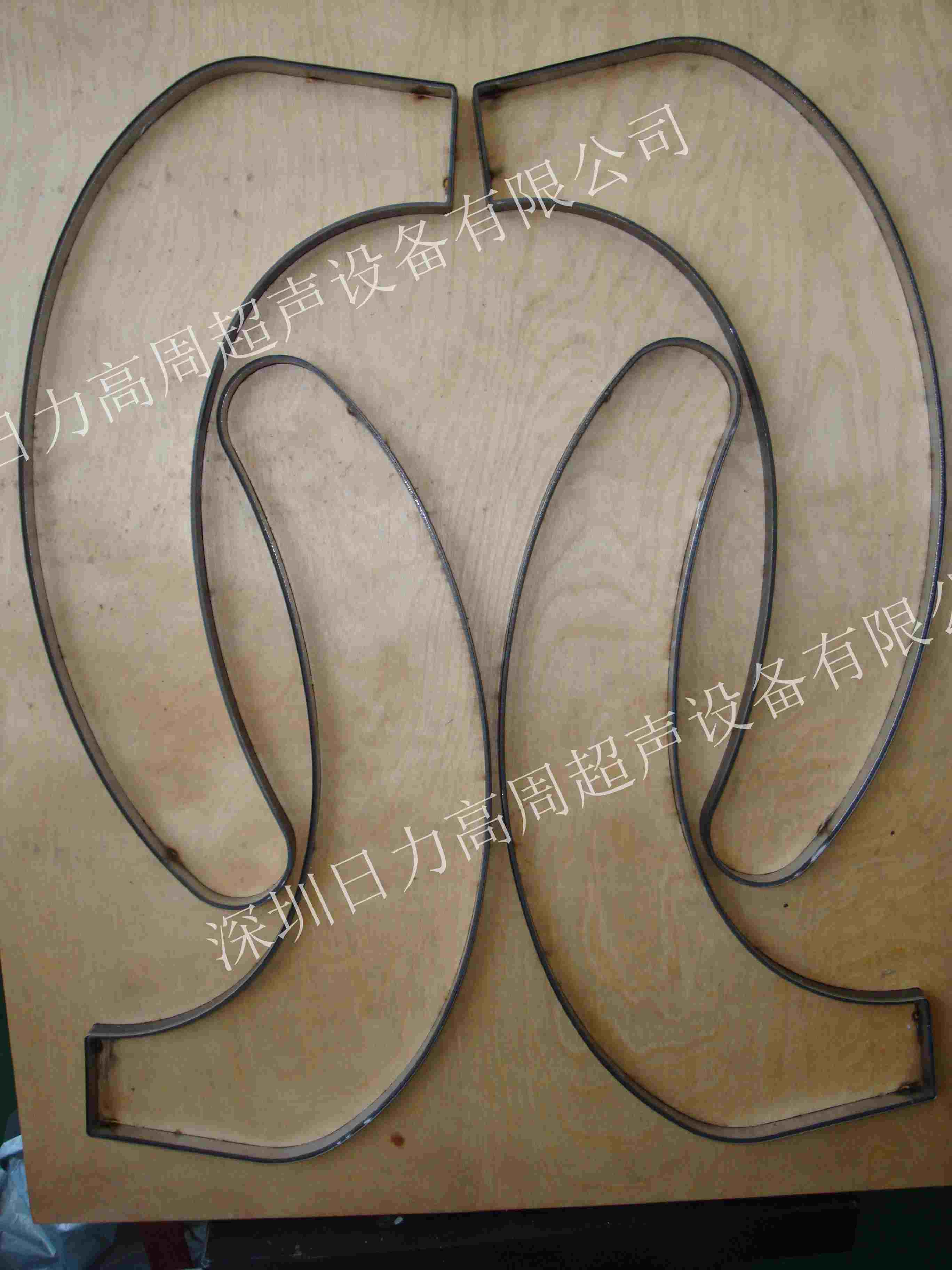
A cushion toilet seat cover is essentially two layers of soft PVC film sealed together around a foam or air filled core, formed into the shape of a toilet seat. The manufacturing challenge is threefold:
The seal must be airtight. If the edge weld has any gap, the cushion loses its padding over time. Sewing or gluing cannot guarantee a continuous hermetic seal on flexible PVC film.
The shape must be consistent. Every piece needs to match the toilet seat profile exactly. Manual forming leads to inconsistent dimensions and high reject rates.
The edge must be clean. End consumers touch this product daily. Rough flash, sharp trim edges, or visible glue lines make the product feel cheap and generate returns.
RF welding solves all three. The electromagnetic field fuses the two PVC layers at the molecular level, creating a bond stronger than the base material. Combined with vacuum forming and precision die cutting, the process delivers a sealed, shaped, clean edged product in a single machine cycle.
Not every RF welder can produce cushion toilet seats. The machine needs three specific capabilities working together:
The machine bed and upper platen include integrated heating elements that pre warm the PVC material before the RF cycle begins. This matters because cushion toilet seat covers use thicker PVC (typically 0.3 to 0.8mm per layer) with a foam interlayer. Without preheating, the RF energy may not penetrate evenly through the full material stack, leading to incomplete seals at the edges.
Our heating system maintains uniform temperature across the full platen surface, ensuring consistent weld quality from the center to the outermost edge of the toilet seat profile.
The cushion shape is not flat. It follows the contour of a toilet seat with a raised padded surface and a recessed center. Vacuum forming pulls the heated PVC film down onto a shaped mold before welding, so the material conforms precisely to the 3D profile.
Without vacuum, the material wrinkles or bridges across the contour, resulting in uneven cushion thickness and poor fit on the actual toilet seat. Our machines use dedicated vacuum channels in the lower mold plate with adjustable suction pressure to handle different PVC thicknesses and foam densities.
This is the feature that separates a production ready machine from a basic RF welder.
During the RF welding cycle, if the material has a thickness variation, a foreign particle, or a slight moisture pocket, the electrical field can arc through the material. This creates a burn mark or pinhole in the PVC, destroying the product instantly.
Our anti flash system monitors the RF current in real time, thousands of times per second. The moment it detects an abnormal current spike (within 0.01 seconds), it cuts the RF power before the arc can damage the material. This reduces reject rates significantly, especially on longer production runs where operator fatigue leads to less careful material placement.
On cushion toilet seat production, where each piece uses a relatively large area of PVC film, a single flash event wastes material and cycle time. The anti flash system pays for itself within weeks on a busy production line.
The mold (electrode die) determines the final product shape, seal width, and trim line. We manufacture custom molds in house for each toilet seat design.
What we need from you to make the mold:
Product drawing or sample with dimensions (length, width, seat opening size)
Material specification (PVC thickness, foam type and thickness)
Edge finish requirement (cut and seal in one step, or seal only with separate trimming)
For more information, please feel free to contact us:
Mr. Lu Tel: +86-135 9014 6525
Email: hipower9@hi-pwr.com Skype: hipower011
WhatsApp: +86-135 9014 6525

